

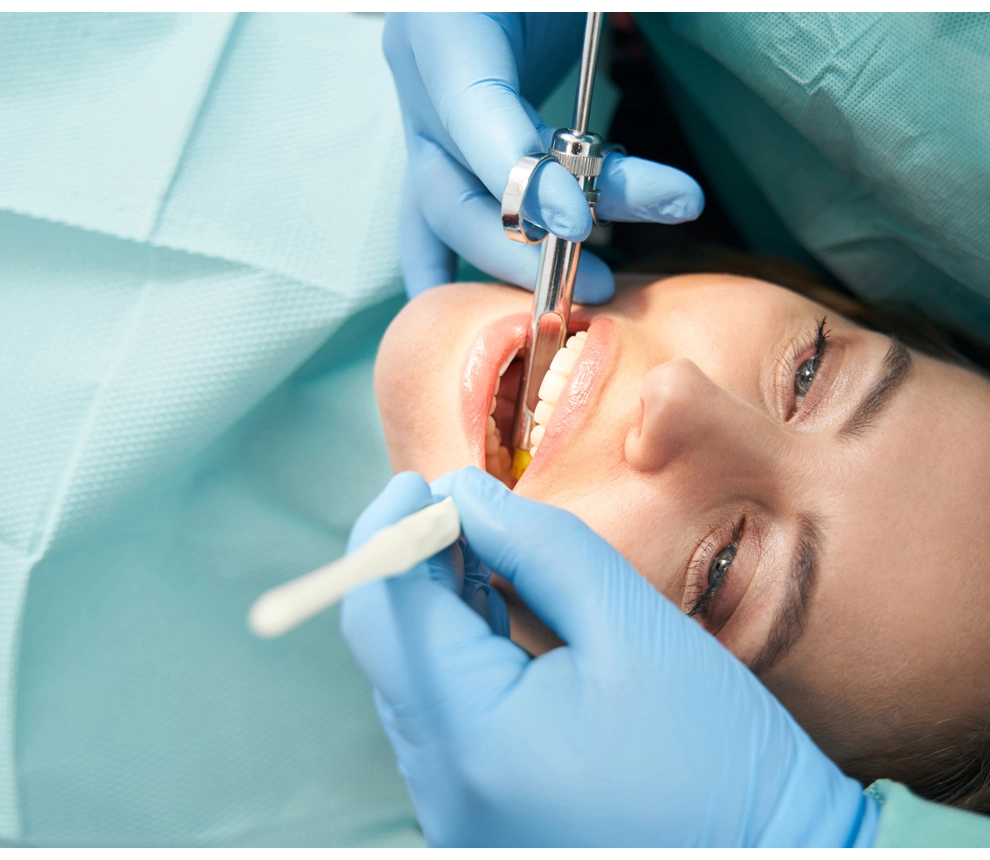
Every parent wants the best for their kids, especially in terms of their health. However, dental care is not always the most important thing. It is simple to ignore your child’s dental health until an issue arises. In reality, children’s dental care is equally as crucial as their routine physician visits. The good news is that many common dental issues in children can be avoided with proper treatment and supervision.
Tooth decay, or dental caries
The most common dental problem affecting children worldwide is dental caries, sometimes known as tooth decay or cavities. The combination of bacteria, carbohydrates, and acids in the mouth causes these tiny, damaging holes to develop on the surface of the tooth. The main causes of tooth decay are eating acidic and sugary foods and not practicing good oral hygiene.
Avoidance and treatment: Encourage frequent brushing with fluoride toothpaste and flossing to get rid of food particles and plaque to protect your child’s priceless smile. Establish healthy eating habits, cut back on sugar-filled snacks and beverages, and plan regular dental exams for expert cleanings and early cavity diagnosis.
Gingivitis, or gum disease
Even though gingivitis, or gum disease, is less common in children than tooth decay, it is still a problem that needs to be addressed. When bacteria accumulate along the gum line, it results in gingivitis, which is characterized by bleeding, redness, and inflammation.
Avoidance and treatment: Teach your children the value of brushing their teeth and gums thoroughly and gently. Teach children how to properly use dental floss, which helps clear debris from places that a toothbrush cannot. Frequent Children’s dental treatment (ทำฟันเด็ก, term in Thai) enables early detection and the necessary treatments to stop gingivitis from getting worse.
Misaligned teeth, or malocclusions
Although malocclusions, or crooked teeth, are frequently inherited, they can also be brought on by long-term thumb sucking, using a pacifier, or other oral habits. These problems may impact a child’s smile’s appearance and, in certain situations, result in functional challenges.
Avoidance and treatment: For the purpose of identifying possible malocclusions and creating individualized treatment programs, early evaluation by a pediatric dentistry (ทันตกรรมเด็ก, this is the term in the Tahi) professional is beneficial. By addressing these issues in childhood, complicated orthodontic procedures can be avoided later in life, resulting in smiles that are healthier and more self-assured.
Trauma to the teeth
Children are more likely to suffer dental damage, such as chipped, fractured, or knocked-out teeth, because of their unlimited energy and passion for play and sports.
Avoidance and treatment: Encourage people to wear mouthguards when participating in sports to prevent injury to their teeth and soft tissues. Seeking prompt dental care is essential in cases of dental trauma in order to improve the chances of saving the damaged tooth.
Pacifier habits and thumb sucking
Infants and young children frequently employ pacifiers and thumb sucking as self-soothing practices. Long-term behaviors, however, might result in incorrect jaw development and misaligned teeth.
Avoidance and treatment: Around the age of three, gently help your child break the practice of thumb sucking or using a pacifier. To promote healthier dental development during this phase of transition, provide alternative comforting techniques and positive reinforcement.
A child’s delight and vigor are reflected in their radiant smile, and maintaining their dental health is essential for a bright future. We can preserve children’s priceless smiles and encourage healthy oral habits from a young age by comprehending typical dental issues in kids and putting preventative measures in place. Recall that preventive dental care paves the way for our cherished children to have confident, healthy smiles for the rest of their lives.


