

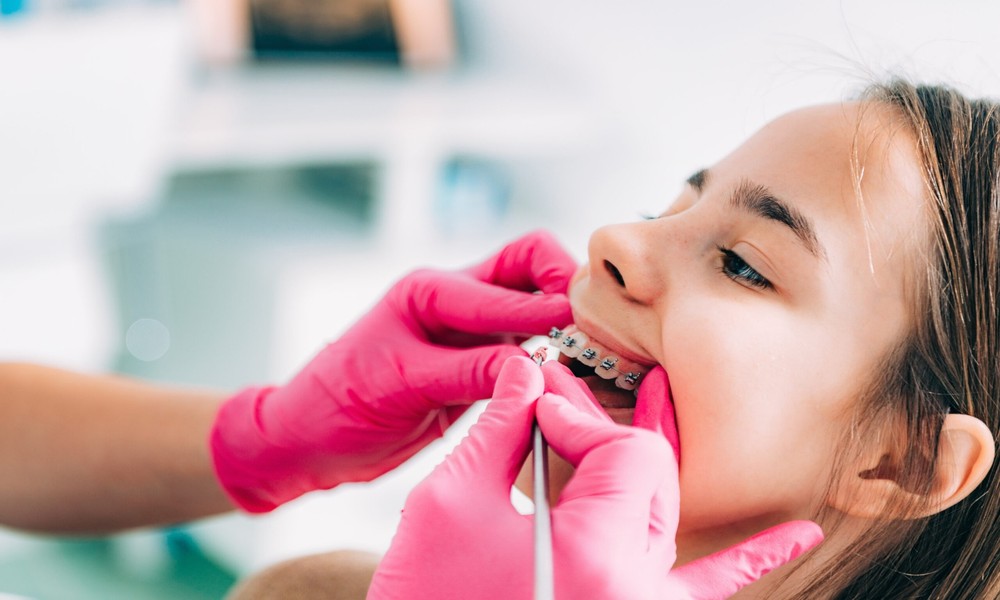
The other day I was sitting close to the window, you see that late afternoon light, which makes everything so slow and dusty and a little nostalgic, and whatever the subject was, I suddenly thought about braces most likely because I heard the faint squeak of metal when somebody bit into a spoon in a neighboring place, that little scrape that immediately makes you think of orthodontic wires. Funny how certain sounds just pull you straight back into memories.
The “Different” Kind of Braces People Talk About Now
So, whenever people mention a family orthodontist Enid OK, they often bring up the name of Rose Rock Orthodontics, and what stood out when I was reading about them is how they explain self-ligating braces in this very simple, almost comforting way.
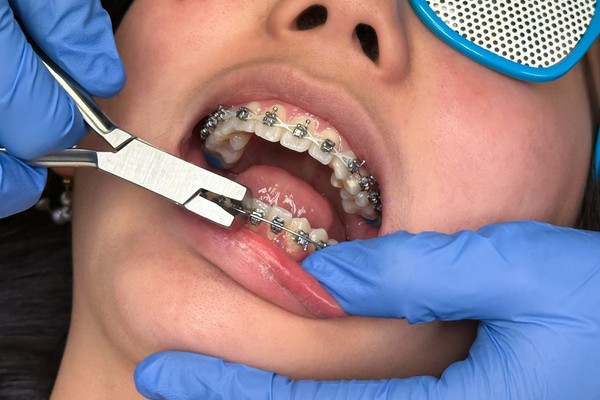
Basically, these braces do not use those tiny elastic bands like traditional ones. Instead, they have this little built-in clip that holds the wire in place. Which sounds small, but apparently it changes the whole experience.
They also talk about smoother tooth movement, with less friction, more natural shifting, and that idea stuck in my head because it feels much gentler somehow.
What Makes Self-Ligating Braces Work Differently
I tried to list the main things I remember, though my thoughts kept wandering a bit:
1. No elastic ties needed
The brackets have sliding doors instead. Kind of like tiny locks.
2. Less pressure on teeth
Because the wire moves more freely inside the bracket.
3. Fewer adjustment visits
Since there are not rubber bands to replace constantly.
4. Easier cleaning
Fewer spots for food to get stuck, which honestly sounds like a relief.
5. Gradual, steady movement
Teeth shift more naturally over time.
The Feeling Side of It
What surprised me most is not just the mechanics; it is how people describe the comfort. Less tightness after adjustments. Less soreness. Which matters more than you would think, because that dull ache after tightening appointments, yes, that memory still feels very real.
And the sensory details come back too, the smell of dental wax, the soft clicking sound when orthodontic tools adjust wires, the slight metallic taste sometimes. Self-ligating braces apparently reduce some of that discomfort simply because there is less friction happening constantly.
It Still Requires Patience Though
This part is important, even with advanced braces, teeth do not move overnight. There is still the routine: brushing carefully, avoiding sticky foods, showing up for checkups. And sometimes you still feel that mild pressure when new wires are placed. That slow shifting sensation.
But from what I understand, the process feels smoother overall. Less dramatic tightening moments. More gradual change.
The Big Picture, I Guess
So yes, self-ligating braces are not some magical shortcuts. They are more like a smarter, quieter version of traditional braces. Same goal, straight teeth, but a different journey getting there.
And honestly, thinking about it now, that idea of steady, gentle progress feels kind of comforting. Because sometimes the best changes do not happen with big sudden shifts. They happen slowly, almost quietly, one tiny movement at a time. Top of Form


