

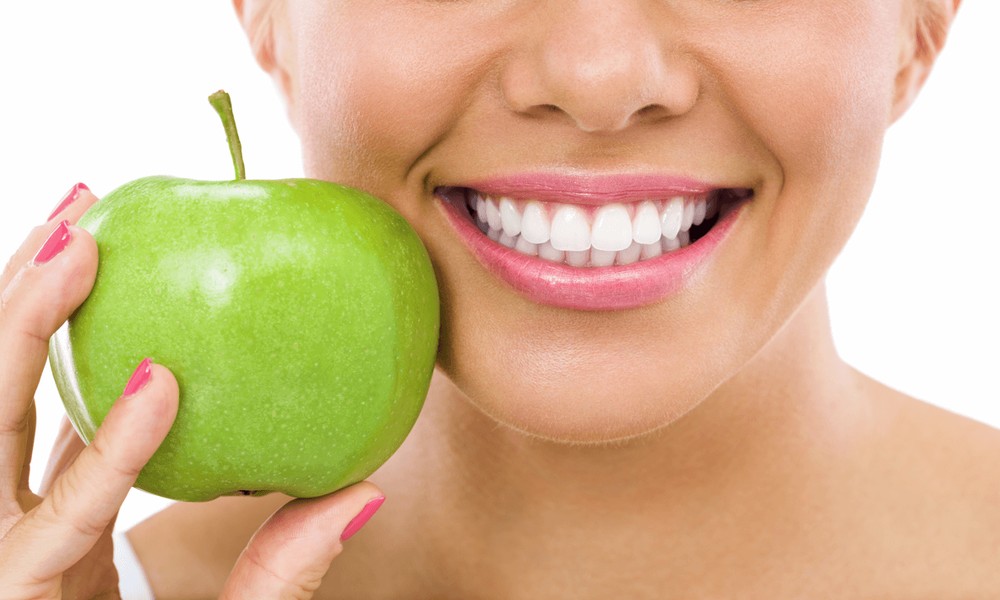
“You are what you eat” applies to your teeth as well. Unfortunately, many people do not follow diets that support strong teeth and healthy gums. A significant number of children and adults suffer from untreated tooth decay, and complete tooth loss is common among older adults. These issues highlight the importance of nutrition in maintaining good oral health.
The Link Between Diet and Dental Health
Your daily food choices play a major role in the condition of your teeth and gums. Poor nutrition can contribute to oral problems such as tooth decay, gum disease, and enamel erosion. Nutrition includes macronutrients like carbohydrates, fats, and proteins, as well as micronutrients such as vitamins and minerals, while diet refers to the foods you regularly consume.
An unhealthy, nutrient-poor diet can negatively affect oral health in two ways. First, it can cause dental disease. Second, oral disease can make eating difficult, further limiting nutrition. If you’re concerned about your oral health, visiting a dentist near me can help you receive proper guidance and care. On the other hand, a balanced diet supports strong teeth, healthy gums, and essential functions like eating, speaking, and breathing.
Effects of a Poor Diet on Oral Health
Tooth Decay (Dental Caries)
Cavities are one of the most widespread diseases globally. They develop when plaque-a sticky mix of bacteria, saliva, acids, and food particles-builds up on teeth. When sugary or starchy foods are consumed, bacteria convert sugars into acid, which gradually weakens tooth enamel.
Frequent consumption of sweets, sugary drinks, snack foods, and acidic items like citrus fruits increases the risk of decay, especially when oral hygiene is neglected. Brushing and flossing daily helps remove plaque and reduces this risk.
Gum and Other Oral Diseases
Oral diseases affect billions of people worldwide, largely due to diets high in sugar. Periodontal (gum) disease damages the tissues supporting teeth and can eventually lead to tooth loss. Common symptoms include bleeding gums, bad breath, gum swelling, tooth sensitivity, pain while chewing, and loose teeth.
Gingivitis, the early stage of gum disease, occurs when plaque hardens into tartar. Once this happens, professional dental cleaning is required. If left untreated, gum disease may also increase the risk of serious conditions such as heart disease, diabetes, and stroke.
Enamel Erosion
Acidic foods, drinks, acid reflux, and certain medications can erode tooth enamel. When enamel wears away, the sensitive dentin underneath is exposed, increasing sensitivity and the likelihood of decay. Drinking water or milk after meals can help neutralize acids and protect teeth.
Foods That Support Healthy Teeth and Gums
A dentist can guide you on improving your diet, but generally, calcium-rich foods like milk, cheese, yogurt, almonds, tofu, and leafy greens help strengthen teeth and bones. Phosphorus from protein sources such as fish and poultry supports enamel repair. Fruits and vegetables, high in water and fiber, help clean teeth and stimulate saliva production.
Water is the best beverage for oral health, especially fluoridated water, as it helps wash away bacteria and prevent cavities.
Take Charge of Your Oral Health
A healthy diet, combined with good oral hygiene and regular dental visits, can greatly improve your dental health. Making informed nutritional choices today can protect your smile for years to come.


