



For the vast majority of seniors and individuals living with chronic illness or physical disabilities, the desire to remain at home is paramount. The familiarity of their own space, proximity to loved ones, and the comfort of lifelong routines provide a sense of dignity that institutional living simply cannot replicate. However, as age or illness progresses, maintaining total independence often becomes unrealistic, leaving families to face an agonizing question: Is it time for a nursing home?
Fortunately, entering a long-term care facility is no longer the only viable option for individuals requiring significant daily support. Licensed home care services offer a robust, secure alternative by dispatching trained professionals directly into the household. Specialized Long Island home health aides serve as a critical bridge between complete independence and institutional care, creating a safe environment where individuals can age in place.
Here are six vital ways a certified home health aide (HHA) safely bridges this gap to prevent unnecessary or premature nursing home placement.
1. Hands-On Assistance with Activities of Daily Living (ADLs)
When basic personal care routines become too physically taxing or dangerous to perform alone, a nursing home often seems like the only solution. Everyday tasks like showering, getting dressed, using the restroom, and grooming require strength, flexibility, and balance that many seniors gradually lose.
An HHA is specifically certified to assist with these personal care needs safely and respectfully. By providing physical support during high-risk routines-such as getting in and out of a slippery bathtub or navigating clothing fastens-they eliminate the fear and frustration of daily hygiene. This hands-on assistance preserves the individual’s personal dignity while ensuring their physical needs are met without relying on a facility’s staff.
2. Expert Transferring and Fall Prevention
Falls are a leading cause of accidental injury among older adults and are frequently the direct catalyst for a permanent move to a nursing home. A single fractured hip or head injury can permanently reduce mobility and force a family’s hand regarding institutional placement.
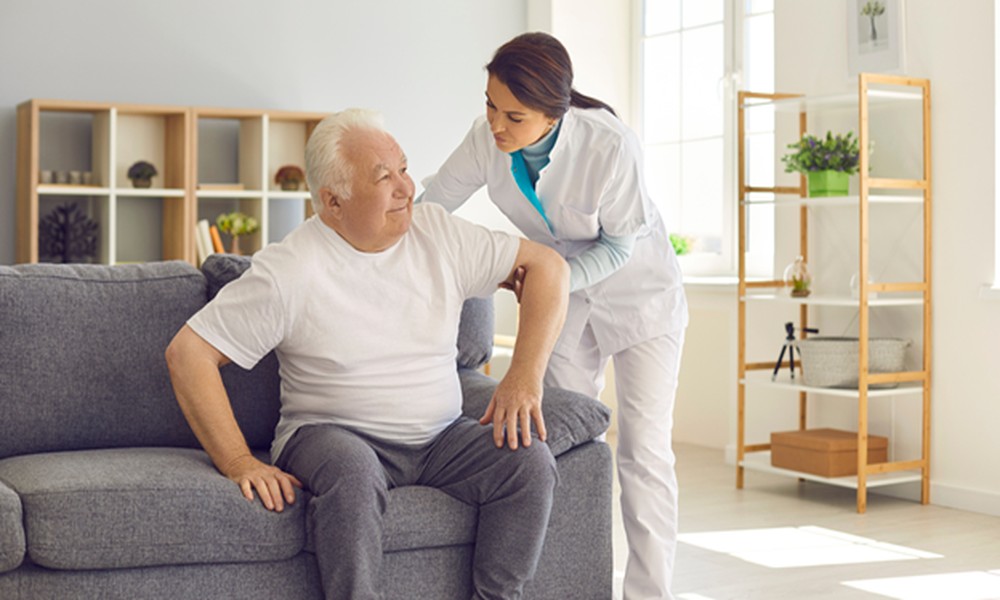
Certified home health aides undergo rigorous training in body mechanics, transferring techniques, and the correct operation of assistive devices, such as walkers, wheelchairs, and Hoyer lifts. Whether a client needs help pivoting from a bed to a chair, standing up from a low sofa, or navigating a hallway, an HHA provides steady, expert guidance. Their continuous presence and watchful eye dramatically mitigate fall risks, keeping the home environment structurally secure for movement.
3. Strict Adherence to a Nurse-Supervised Plan of Care
Unlike basic companion care workers, certified HHAs work directly under the clinical oversight of a Registered Nurse (RN). When an individual begins home care services, an RN conducts a comprehensive assessment and designs a customized clinical plan of care tailored to the patient’s unique medical vulnerabilities.
The HHA executes this plan precisely on a daily basis. While they do not administer medications or perform complex nursing procedures independently, they ensure strict compliance with dietary restrictions, physical therapy exercises, and health tracking metrics (such as logging blood pressure or fluid intake). This structured, clinical approach ensures that chronic medical conditions remain stabilized at home.
4. Early Detection of Medical “Red Flags”
A primary reason individuals end up in nursing homes is frequent re-hospitalization. When a minor health issue-like a urinary tract infection, a small pressure sore, or a subtle change in fluid retention-goes unnoticed, it can rapidly escalate into a medical crisis requiring an emergency room visit and subsequent rehab placement.
Because an HHA spends hours at a time with a client, they become intimately familiar with that individual’s baseline behavior, physical appearance, and cognitive state. They are trained to recognize early indicators of decline, such as sudden lethargy, skin redness, an uncharacteristic bout of confusion, or a changing cough. By immediately reporting these subtle shifts to their supervising RN, medical interventions can happen right at home, preventing avoidable hospital admissions.
5. Managing Nutritional and Hydration Parameters
Proper nutrition and consistent hydration are essential for maintaining cognitive function, muscle mass, and immune health. Unfortunately, many seniors living alone suffer from nutritional neglect. Standing over a stove can be too exhausting, grocery shopping may be physically impossible, or cognitive decline can cause them to simply forget to eat or drink.
An HHA actively manages these nutritional needs by planning and preparing balanced meals according to the client’s medical guidelines. Whether a senior requires a low-sodium diet for heart health, a sugar-controlled plan for diabetes, or specific food textures due to swallowing difficulties, the HHA ensures they receive proper nourishment safely, preventing the weakness and disorientation associated with dehydration or malnutrition.
6. Alleviating Family Caregiver Burnout
Behind almost every senior aging at home is a family caregiver working tirelessly behind the scenes. However, managing a loved one’s advanced care needs while balancing a career, children, and personal health eventually leads to profound physical and emotional exhaustion. When a family caregiver burns out, nursing home placement is often used as a last resort emergency solution.
An HHA provides vital respite for family members. Knowing that a certified, supervised professional is handling the demanding physical and safety aspects of care allows adult children or spouses to step back. They can transition from being overwhelmed, round-the-clock providers back to being supportive, loving family members, creating a sustainable care dynamic that preserves the home environment for the long term.
Empowering Seniors at Home
Preventing nursing home placement isn’t just about avoiding a facility; it is about empowering individuals to live safely and autonomously where they feel happiest. By providing structured physical help, clinical oversight, and preventative care, certified home health aides provide families with the sustainable, compassionate alternative they need to keep their loved ones right where they belong.