




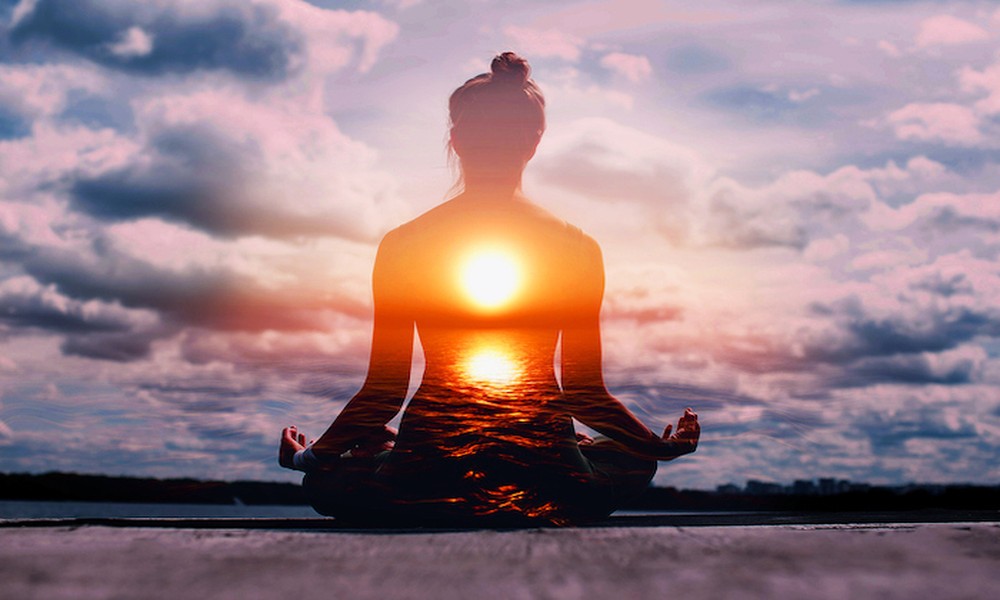
The Yoga Sutras are among the most respected texts in the history of yoga philosophy. Written by the sage Patanjali, these teachings explain how the mind works and how a person can move toward inner balance and self-awareness. Even today, many people study these sutras to improve focus, emotional stability, and personal growth.
The text is not only about physical yoga postures. It explains a complete system for understanding thoughts, habits, discipline, and consciousness. For anyone searching for a deeper meaning in life, the Yoga Sutras offer practical guidance that can be applied every day.
What Are the Yoga Sutras?
The Yoga Sutras are a collection of 196 short statements or aphorisms written by Patanjali. Scholars believe they were compiled around 2,000 years ago. These sutras describe the path of yoga as a method for calming the mind and reaching higher awareness.
The word “sutra” means thread. Each sutra contains a concise teaching that connects to the broader philosophy of yoga. Together, they create a framework for understanding the human mind and the path toward inner peace.
Patanjali divided the text into four sections:
1. Samadhi Pada
This section explains concentration, meditation, and the nature of consciousness.
2. Sadhana Pada
This part focuses on discipline, practice, and methods for self-improvement.
3. Vibhuti Pada
It discusses advanced stages of meditation and mental abilities gained through deep practice.
4. Kaivalya Pada
The final section explains liberation and freedom from mental suffering.
The Meaning of Yoga in Patanjali’s Teachings
In modern times, yoga is often connected with exercise and flexibility. Patanjali defined yoga differently. According to the famous sutra:
“Yoga Chitta Vritti Nirodhah”
This means yoga is the process of calming the fluctuations of the mind. The teachings focus on reducing distractions, negative thinking, and emotional instability.
When the mind becomes steady, a person can experience clarity and peace. Patanjali believed that most suffering comes from uncontrolled thoughts, attachment, fear, and confusion. Yoga helps remove these obstacles.
The Eight Limbs of Yoga
One of the most important teachings in the Yoga Sutras is the Eightfold Path, also called Ashtanga Yoga. These eight limbs provide a practical guide for balanced living.
1. Yama – Moral Discipline
These are ethical principles for interacting with others.
- Non-violence
- Truthfulness
- Non-stealing
- Self-control
- Non-possessiveness
2. Niyama – Personal Discipline
These practices focus on self-care and inner discipline.
- Cleanliness
- Contentment
- Self-discipline
- Self-study
- Surrender to a higher truth
3. Asana – Physical Posture
Patanjali mentions posture mainly as a way to prepare the body for meditation. Stability and comfort are emphasized rather than difficult poses.
4. Pranayama – Breath Control
Breathing practices help regulate energy and calm the nervous system.
5. Pratyahara – Withdrawal of the Senses
This step teaches control over external distractions and sensory overload.
6. Dharana – Concentration
The mind is trained to focus on a single point without wandering.
7. Dhyana – Meditation
Meditation becomes continuous and effortless.
8. Samadhi – Complete Absorption
This is the final state where the individual experiences deep awareness and unity.
How the Sutras Support Personal Development
The teachings of Patanjali are practical and relevant even in modern life. Many people struggle with stress, overthinking, and emotional imbalance. The Yoga Sutras explain how disciplined habits and mindful awareness can improve mental clarity.
At the center of these teachings is Yoga Sutras Of Patanjali, which provides methods for understanding reactions, desires, and fears. Instead of escaping life’s challenges, the text encourages self-observation and patience.
People who regularly apply these principles often notice:
- Better emotional control
- Improved focus
- Reduced anxiety
- Greater self-awareness
- Healthier relationships
- Stronger discipline
The teachings are not limited to monks or spiritual practitioners. They can help students, professionals, parents, and anyone seeking balance in daily life.
The Role of Meditation in Patanjali’s Philosophy
Meditation is one of the central elements in the Yoga Sutras. Patanjali explains that a restless mind creates confusion and suffering. Meditation trains the mind to become steady and clear.
Unlike temporary relaxation techniques, meditation in the sutras is a long-term practice of awareness. Through regular meditation, a person learns to observe thoughts without becoming controlled by them.
Benefits of meditation include:
- Better concentration
- Emotional stability
- Improved sleep
- Reduced stress
- Increased awareness
Patanjali teaches that meditation is not about avoiding thoughts completely. It is about understanding them without attachment.
Obstacles Mentioned in the Yoga Sutras
Patanjali identified several obstacles that disturb mental peace. These include:
Doubt
Uncertainty weakens commitment and focus.
Laziness
Lack of discipline prevents progress.
Attachment
Excessive desire creates emotional suffering.
Fear
Fear blocks confidence and inner growth.
Distraction
Constant mental activity reduces clarity.
The sutras recommend regular practice and self-discipline as solutions to these problems.
Why the Yoga Sutras Still Matter Today
Modern life is fast and demanding. Many people experience stress from work, technology, and personal responsibilities. The Yoga Sutras remain valuable because they address the root causes of mental disturbance.
These teachings encourage a balanced lifestyle based on awareness, discipline, and self-reflection. They remind people that peace does not depend entirely on external success.
The principles can be applied in everyday situations:
- Managing emotions during conflict
- Developing healthier routines
- Improving concentration at work
- Creating time for reflection
- Building patience and resilience
The timeless nature of the sutras makes them relevant across cultures and generations.
Understanding the Connection Between Yoga and Inner Awareness
Patanjali’s teachings go beyond physical wellness. The ultimate purpose of yoga is understanding the true nature of the self. This deeper awareness helps individuals move beyond temporary emotions and distractions.
The text explains that lasting peace comes from inner understanding rather than external achievements. Through consistent effort, meditation, and ethical living, people can gradually experience greater harmony in life.
The teachings also show how Spirituality is connected with self-awareness, discipline, compassion, and mindful living. Rather than promoting rigid beliefs, the sutras encourage personal experience and inner transformation.
Conclusion
The Yoga Sutras of Patanjali continue to guide people toward mental clarity, emotional balance, and personal growth. Their teachings provide practical methods for managing thoughts, improving focus, and building self-discipline.
Although written centuries ago, the wisdom of Patanjali remains relevant in modern life. By following the principles of ethical living, meditation, and self-awareness, individuals can create a more peaceful and meaningful life.
Whether someone is new to yoga or exploring deeper philosophical ideas, the Yoga Sutras offer a clear path toward inner stability and lasting growth.
FAQs
What is the main purpose of the Yoga Sutras?
The main purpose is to explain how to calm the mind and achieve self-awareness through disciplined practice and meditation.
Who wrote the Yoga Sutras?
The Yoga Sutras were written by the sage Patanjali.
Are the Yoga Sutras only about physical yoga?
No. The sutras mainly focus on the mind, meditation, ethics, and personal discipline rather than physical postures.
What are the Eight Limbs of Yoga?
The Eight Limbs are ethical guidelines and practices that include discipline, posture, breathing, concentration, meditation, and spiritual awareness.
Can beginners study the Yoga Sutras?
Yes. Beginners can start with simple explanations and gradually understand the deeper meanings over time.
How do the Yoga Sutras help in daily life?
They help improve focus, emotional control, discipline, stress management, and self-awareness.