





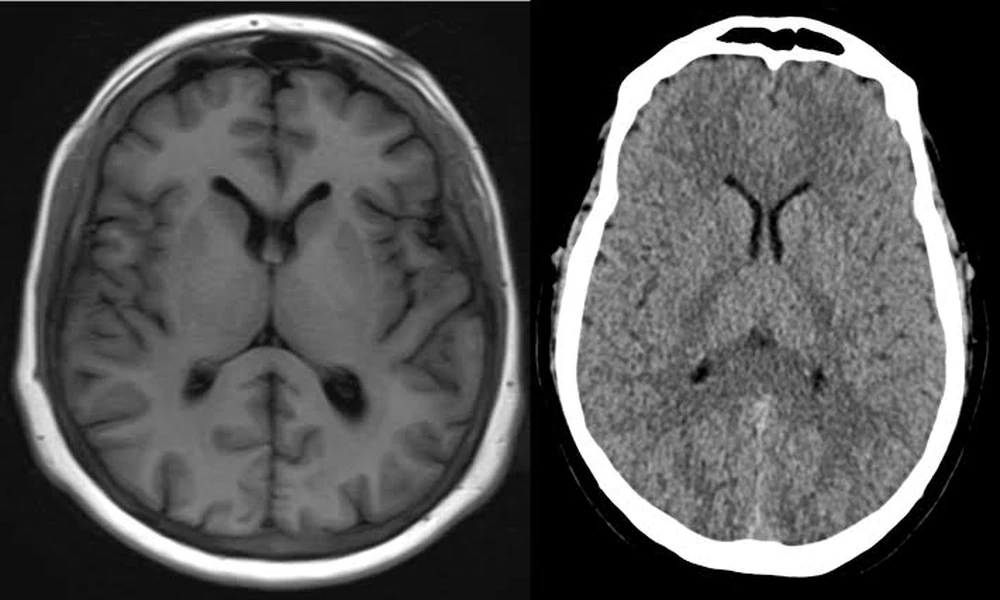
When head symptoms send you to the doctor, one of the first decisions is which type of imaging to order. CT scans and MRI scans both create detailed pictures of the brain, but they work differently and are better suited to different situations. Choosing incorrectly does not usually cause harm, but it can mean waiting longer for an answer or repeating a scan that a different choice might have avoided.
Knowing the basic differences between these two imaging options helps patients understand why a doctor recommends one over the other, and what each scan is more likely to reveal.
How CT and MRI Scans Actually Differ
A CT scan uses a series of X-ray images taken from different angles to build a cross-sectional picture of the brain, while an MRI uses magnetic fields and radio waves rather than radiation to generate images. CT scans are generally faster, often taking just a few minutes, which makes them useful in emergency situations.
Upright MRI of Deerfield and similar facilities offer MRI scans that take longer but produce significantly more detailed images of soft tissue, making MRI the preferred choice when subtle brain or nerve detail matters more than speed. Because MRI does not involve ionizing radiation, it is also generally considered the safer option for scans that need to be repeated over time.
When a CT Scan Is the Better First Choice
CT scans remain the standard first imaging choice in emergency settings, particularly for suspected bleeding, stroke, or skull fracture following a head injury. Because CT scans are widely available, fast, and highly sensitive to acute bleeding, they allow emergency physicians to make quick treatment decisions when time matters most.
A CT scan is also generally more accessible for patients who cannot tolerate lying still for an extended period or who have certain metal implants that are incompatible with MRI technology. In many emergency departments, a CT scanner is located steps away from the trauma bay specifically because minutes can matter in these situations.
When an MRI Provides More Useful Detail
Once the acute emergency has been ruled out, MRI often becomes the better tool for understanding what is actually happening inside the brain. MRI is significantly more sensitive to soft tissue detail, making it the preferred option for detecting small strokes, tumors, multiple sclerosis lesions, and subtle changes associated with traumatic brain injury that a CT scan can miss entirely.
For patients with ongoing symptoms after an initial CT scan came back unremarkable, an MRI is frequently the next step a doctor recommends to get a clearer picture. MRI is also generally preferred for monitoring a known condition over time, since it does not involve radiation exposure and can be repeated more safely at regular intervals.
Matching the Scan to Your Symptoms
Sudden, severe symptoms such as sudden weakness, confusion, or loss of consciousness typically call for an immediate CT scan to rule out bleeding or a major stroke. Persistent headaches, memory changes, unexplained dizziness, or lingering symptoms after a head injury are often better evaluated with MRI, since these symptoms are more likely to stem from subtle changes that only MRI can detect clearly.
Symptoms that developed gradually, rather than suddenly, also tend to favor MRI, since there is less urgency and more value in the additional detail MRI provides. When symptoms fall somewhere between these two extremes, doctors sometimes order a CT scan first to rule out anything urgent, then follow up with MRI if questions remain.
Discussing the timeline of your symptoms clearly with your doctor helps guide this decision from the very first visit.
What to Expect During Each Type of Scan
A CT scan typically involves lying on a table that moves through a short, open ring, with the entire scan often finished in under five minutes. An MRI takes considerably longer, sometimes thirty minutes or more, and traditionally requires lying still inside an enclosed tube, though open and upright MRI options now offer alternatives for patients who feel claustrophobic.
Neither scan is painful, though contrast dye is sometimes used for either type to improve the clarity of certain findings, and patients should mention any allergies or kidney concerns beforehand. Most facilities will also ask about pregnancy status and any metal implants or devices in the body before scheduling either type of scan.
Conclusion
Choosing between a CT scan and an MRI usually comes down to how urgent the symptoms are and how much detail the situation requires. CT remains the right first step for suspected bleeding or acute injury, while MRI offers a clearer, more detailed look once the immediate danger has been ruled out or when symptoms persist without an obvious cause.
Talking through your specific symptoms with your doctor, including how long they have lasted and how they developed, is the best way to determine which scan makes sense for your situation. If your doctor has recommended a brain MRI, exploring MRI brain scan services designed for comfort and clarity can make the process easier, especially for patients who feel anxious about enclosed spaces.