
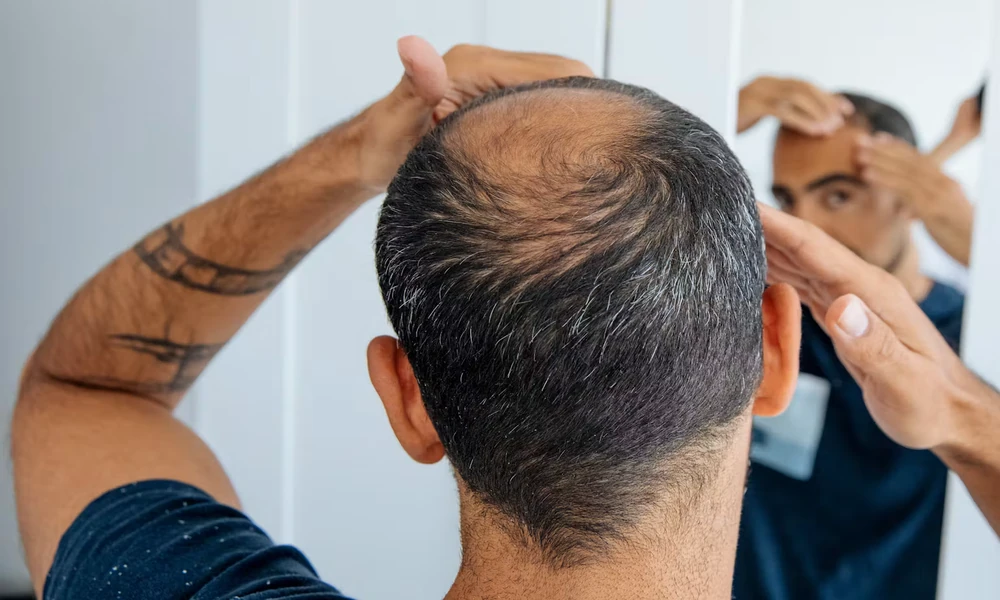


Male pattern hair loss develops through inherited sensitivity to dihydrotestosterone (DHT). This hormone gradually miniaturizes susceptible scalp follicles, finasteride helps address this process by reducing DHT production. Understanding its mechanism clarifies potential benefits, treatment limitations, and safety considerations. Consistent medical supervision also helps patients assess progress, manage side effects, and establish realistic expectations about hair preservation over time.
DHT Reduction Protects Vulnerable Hair Follicles
At the follicle level, DHT shortens active growth phases. Over time, individual strands become finer and less visible. Finasteride inhibits the enzyme responsible for converting testosterone into DHT. This hormonal effect can preserve existing density and support thicker regrowth. However, genetic sensitivity still influences the final response.
What Changes During Regular Treatment?
Visible progress takes time because hair grows slowly. Initial improvements may emerge after three to six months. A clearer assessment often requires twelve months of consistent treatment. Although shedding may decrease, complete regrowth remains unlikely for advanced baldness. Progress photographs help track changes across the hairline and crown.
Which Factors Influence Treatment Outcomes?
Individual response depends on follicle condition, genetics, and treatment consistency. Earlier intervention may preserve more viable follicles. Completely inactive follicles present a greater challenge for medical regrowth.
- Track density using consistent monthly photographs.
- Follow the prescribed dose without self-adjustment.
- Discuss persistent shedding with a dermatologist.
- Review progress after twelve months.
Can Online Purchases Create Health Risks?
Medication quality matters as much as treatment choice. Searches for buy steroids online canada can lead consumers toward unverified sellers and misleading product claims. Finasteride is a prescription medicine, not an anabolic steroid. Purchasing from unreliable sources risks counterfeit ingredients, incorrect strengths, and inadequate medical oversight. A licensed healthcare professional can verify suitability and legitimate supply.
Which Side Effects Require Medical Attention?
Sexual side effects can include reduced libido, erectile difficulties, and ejaculation changes. Mood changes, including depression, also warrant prompt attention. Breast lumps, pain, or nipple discharge require urgent medical assessment. Persistent symptoms should never be dismissed.
- Report sexual changes to the prescribing clinician.
- Seek help promptly for depressive symptoms.
- Obtain urgent assessment for breast abnormalities.
- Disclose fertility concerns before treatment begins.
Finasteride can also affect prostate-specific antigen (PSA) test results. Anyone undergoing prostate screening should inform the clinician about treatment.
Long-Term Decisions Start With Follicle Preservation
A receding hairline can change gradually over several years. Preserving miniaturized follicles may therefore matter more than chasing dramatic regrowth. Finasteride works best as a medically supervised, ongoing strategy. After discontinuation, retained benefits commonly diminish over subsequent months. The key consideration is protecting viable follicles before irreversible thinning progresses.
FAQs
1. Does finasteride regrow lost hair?
It can improve hair density in some men by supporting miniaturized follicles. Results depend on individual response and the extent of existing hair loss.
2. How long does finasteride take to work?
Early improvements may appear after three to six months. Assessing the full response can require twelve months of consistent treatment.
3. Does stopping finasteride reverse its benefits?
Hair preserved or regrown during treatment may be lost after discontinuation. Discuss any treatment changes with the prescribing clinician.
4. Is finasteride suitable for every man?
No. Medical history, possible side effects, and individual risk factors influence suitability. A qualified healthcare professional should assess treatment before prescribing.