




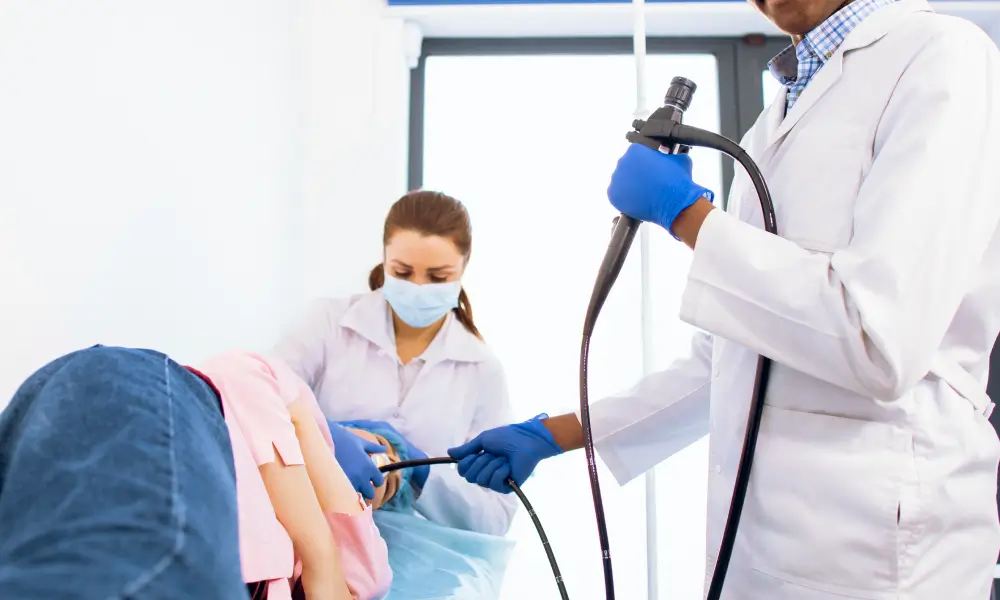


Rural and distant places have struggled for decades to get excellent healthcare services. Rural areas struggle to get timely care due to poor infrastructure, doctor shortages, and limited connectivity. This is changing with digital health platforms and virtual doctor consultation. Digital health apps allow people to consult with doctors from home.
The Rural Healthcare Challenge:
Medical care is limited in rural areas of most developing nations. Remote hospitals are understaffed and lack advanced diagnostics. Patients drive far to reach the nearest hospital, delaying treatment and increasing healthcare expenses.
Although most doctors and experts are in cities, a considerable majority of India’s population lives in rural areas. The disparity leaves rural communities dependent on local practitioners who may not have the latest medical expertise. Due to neglect, common and treatable ailments often worsen. Travel costs, lost pay, and extended wait times make it harder for these areas to see a doctor.
What Is Teleconsultation?
Teleconsultation employs technology to consult a doctor remotely. It lets patients get medical advice via video, voice, or chat without visiting a hospital. A medical video chat app lets patients discuss symptoms, share reports, and get prescriptions in real time.
This method is useful for rural residents without hospital or expert access. Connecting doctors and patients online makes healthcare available to everyone, regardless of geography. It also saves time, reduces travel costs, and ensures faster medical attention, making virtual doctor consultation a practical and reliable option for timely healthcare access through an easy-to-use app for doctor video calls.
Virtual Doctor Consultation: How It Works
Most virtual doctor consultations start with a patient downloading a healthcare app or visiting a teleconsultation website. After registration, patients can arrange appointments or instantly connect with doctors. The doctor listens to the patient’s symptoms, asks appropriate questions, and may prescribe certain medications via video chat or phone call..
- Overcoming Distance
Teleconsultation’s biggest advantage is its ability to overcome distance. Rural residents can now get basic healthcare without travelling far. A smartphone and internet connection let them reach qualified doctors anytime, wherever. This implies that distant village residents can get prompt treatment without worrying about hospital distance or cost.
A 24/7 doctor app lets farmers with chronic back pain or mothers with fevers talk to doctors instantaneously. This convenience saves time and treats minor ailments before they worsen.
- Affordable and accessible healthcare
Teleconsultation lowers rural healthcare costs. Travel and lodging are common in traditional medical appointments. In contrast, virtual doctor consultations cut these costs. Many healthcare apps offer affordable general and specialist consultation packages, making it easier for low-income families to get professional guidance.
With flexible hours, online consultations eliminate the need to take a day off work. Teleconsultation is sustainable and realistic for rural healthcare needs due to time and cost savings.It not only reduces medical expenses but also increases healthcare accessibility. By cutting travel, time, and clinic costs, it empowers rural families to receive quality care through affordable, flexible, and reliable virtual doctor consultations.
- Connecting patients to specialists
Cardiologists, gynaecologists, and neurologists are rare in rural locations. Teleconsultation overcomes this by connecting patients with prominent hospital professionals. An app for doctor video chat lets a peasant with heart problems talk to a city hospital cardiologist. Access to expertise provides appropriate diagnosis, faster treatment, and better outcomes without travel.
The opportunity to consult specialists remotely gives rural patients new healthcare options. It also frees up local hospitals and clinics to handle emergencies and necessary services.
- Rural Women’s Health Support
Cultural and societal barriers prevent many rural women from attending male doctors or going far alone. Teleconsultation lowers these hurdles. A doctor consultation app lets women see female doctors at home. This ease encourages more women to seek medical care for reproductive health, pregnancy, and other delicate situations that could otherwise go neglected.
Teleconsultation gives women control over their health by providing privacy, accessibility, and choice.
- Instant Emergency Support
Medical emergencies don’t follow schedules, and rural places make hospital access challenging. A 24/7 doctor app lets patients get medical advice anytime. Teleconsultation can provide initial advice before reaching a hospital for minor accidents, fevers, or allergic reactions.
Virtual consultations are essential until expert help arrives, even though they cannot substitute actual emergency treatment.
- Promoting Preventive Healthcare
Teleconsultation supports preventive care as well as treatment. Regular online consultations assist in managing diabetes, hypertension, and asthma. Docs can remind patients to take drugs, recommend lifestyle modifications, and schedule checks. This regular checkup supports long-term health.
Virtual consultations are encouraging healthier lifestyles and early disease detection in remote places where preventive care was previously unavailable.
- Challenges and Future
Teleconsultation still struggles in rural areas despite significant progress. Poor internet connectivity, digital ignorance, and trust difficulties prevent wider adoption. Some prefer face-to-face consultations over online ones.
Slowly, these issues are being addressed. Telehealth platforms are optimising their apps for low-data use, delivering voice-based instructions, and engaging rural communities in teleconsultation awareness campaigns. Telemedicine integration with public healthcare systems is also being done by governments and NGOs. Teleconsultation is getting more popular in rural India as the digital gap narrows.
Rural Healthcare Teleconsultation Future
Teleconsultation’s future is bright as technology advances. Affordable cellphones, faster internet, and user-friendly apps will make healthcare more inclusive. Telemedicine kiosks supported by local health professionals may soon be installed at rural health centres so residents can video chat with doctors. With AI integration, remote diagnostics, and real-time monitoring, teleconsultation will revolutionise healthcare delivery, ensuring even the most remote communities receive timely, efficient, and expert medical attention from qualified doctors.
Conclusion:
Teleconsultation is a significant rural healthcare access option. Virtual medical consultation, video chat app, and 24/7 doctor app help patients avoid a long journey and a shortage of specialists. They may now get fast, economical, and trustworthy medical advice from home.
Beyond convenience, it saves lives, raises health awareness, and empowers rural communities to manage their health. Teleconsultation will become ever more important in ensuring that quality healthcare reaches everyone as technology advances. With continuous innovation, remote diagnosis, digital prescriptions, and multilingual support, teleconsultation bridges healthcare gaps, making expert medical guidance accessible, affordable, and inclusive for every rural household across India.


